2 November 2026
7:00 pm (Central)
The Library Center, 4653 S. Campbell Ave., Springfield, MO and Zoom
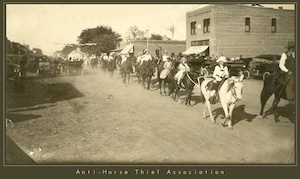
The Anti-Horse Thief Association (AHTA) wasn’t just a frontier vigilance group — it was a full‑blown community crime‑fighting network complete with officers, bylaws, dues, and dramatic pursuit reports. In this lively, true‑crime‑flavored session, OGS members Annette Crafton Corbell and Linda Stout explore how the AHTA operated, who joined, who they chased, and what their records reveal about everyday life on the frontier. Whether your ancestors were members, suspects, or innocent bystanders, the AHTA offers a unique window into frontier justice and the stories that shaped our families.
Attendance Options: In person at The Library Center or by Zoom. Members will receive a Zoom link by email or find the link at ozarksgs.org > programs. Members must login for access.

 Join us as professional genealogist Scott Norrick discusses the background, reasons, and challenges inherent in the three distinct waves of migration to America: from Scotland to the Irish province of Ulster in the 17th century, from Ulster to American in the 18th century, and fanning out to America's frontier in the 19th century. Special emphasis will be placed on the cultural, political, social, and religious influences that shaped their decisions and movements.